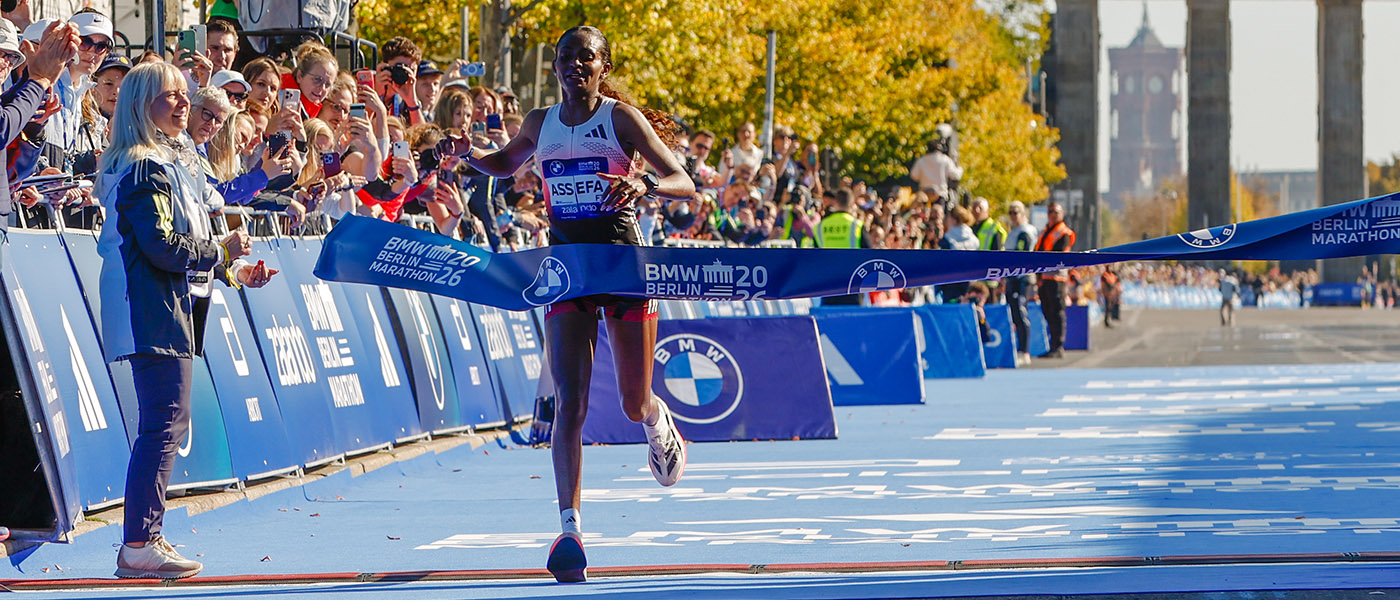
Elite athletes are known for their raw power, lightning speed and Herculean strength. Recent research has uncovered a potential unsung hero behind their exceptional performance: their gut microbiota.
What is the gut microbiota, exactly? The term refers to the trillions of bacteria that live in your digestive tract — both good and bad bacteria. The good bacteria are gut allies that play a vital role in your overall well-being, such as improving your digestive health and supporting your immune system.
For athletes, these benefits are key for performance, whether they're trying to fend off "runner's diarrhea," recover from a strenuous workout or cut their chances of getting sick before a big game. This symbiotic relationship, however, between the gut microbiota and athletic performance is much deeper than that.
How Is the Gut Microbiota Different in Athletes?
As discussed in the 1st International Seminar on Nutrition & Sport, hosted by Real Madrid and Abbott, an athlete with a more diverse and stable microbiota can carry out a wider array of functions — and to a greater degree — compared to someone with a less diverse and stable microbiota, which are typical of people with low levels of physical activity.
The relationship between exercise and the gut goes both ways: Exercise strengthens the gut, which in turn, may help improve performance.
How Athletes Can Support Their Gut
Being an elite athlete requires more than just physical strength and skill. It requires a regimented lifestyle and dedication to keep the body and mind in top shape. Here's how athletes can nurture their gut microbiota off the field to improve their performance on the field.
- Eat More Fiber
When you eat fiber, the microbiota breaks it down to produce beneficial molecules, including short-chain fatty acids (SCFAs). Athletes should work with a dietitian to put together a dietary plan that works best for them. Fruits, vegetables, whole grains and legumes are all great sources of fiber.
- Prioritize Recovery
Exercise can be a great release, but it can also be a stressor on the body. Too much exercise, without enough rest, can cause inflammation and harm gut health. It's important that athletes dedicate certain days of the week to recovery and get plenty of sleep.
- Consume Probiotic Foods
Probiotic microorganisms are live bacteria that are beneficial for gut health. You can find them in fermented foods, such as yogurt, kefir and sauerkraut. Athletes should work with a dietitian on how to best implement these foods into their diets.
- Use Antibiotics With Care
Antibiotics are important for killing harmful bacteria in states of disease, but unfortunately, they can kill healthy gut bacteria, too. To protect their gut health, athletes should work with their medical team to avoid inadequate use of antibiotics.
- Follow a Mediterranean Food Plan
Mediterranean food plans or nutrition approaches rich in fruits, vegetables, lean meats, grains and unsaturated fats have been linked to improved gut health thanks to their fiber and anti-inflammatory compounds. Meanwhile, research shows that a more Western food plan, including a high intake of fat and salt, can result in lowered gut diversity.
How It Can Give Athletes an Edge
The gut microbiota is not just a sideline spectator for an elite athlete — it's an integral part of their day-to-day performance. A healthy gut influences the way your body absorbs nutrients, utilizes energy, supports muscle health and recovery and maintains its immune system.
Elite athletes who implement a training regimen that consists of healthy eating, physical activity and plenty of rest may see greater results in their athletic performance than that of an elite athlete who eats poorly, overexerts themselves and doesn’t take time to rest.
Taking care of your gut is essential for optimal performance and overall health, especially for high-performance athletes. By following these tips, you can help support your gut health and give yourself a competitive edge.
For more training and nutrition tips from leading experts, as well as inspiring stories from runners who have benefited from Abbott technologies, visit Abbott’s new marathon hub.
Other news
Kiplimo, Lokedi and Hicks eye greatness in Chicago